
When Matt Moore was hired as the South Washington Watershed District’s first administrator in 1999, he came in with a strong vision for the future and equally strong opinions about what a watershed district should and should not do.
“I’d been working at the Minnesota Board of Water and Soil Resources and was ready to leave state government,” he begins. “But I also wanted to see if a watershed district could be something different for cities and the county – a partner instead of a regulator.”

“A lot of things happen differently here, compared with other watershed districts, and that’s because of Matt’s vision,” says Brian Johnson, a Board Manager who has served on the District board for more than 20 years. “We play a minimal role in permitting [for new development] and have always emphasized collaboration with our cities, the county, and the Conservation District. Our job is to help our partners do their work better, not duplicate work that they are already doing.”
When South Washington Watershed District was formed in the 1990s, its primary goal was to mitigate flooding in land-locked neighborhoods of Woodbury and Cottage Grove. Moore came in with a 20-year vision for a conservation corridor that would connect Woodbury to the Mississippi River, providing a safe route for floodwaters to dissipate in the event of a 100-year “mega-storm”, while also creating much-needed green space and recreational amenities in a rapidly suburbanizing area.


The first phase of the project was a regional infiltration basin, which is located on the border of Woodbury and Cottage Grove, just south of Bailey Lake. Now known as Glacial Valley Park, the site features 250-acres of restored prairie, which is permanently protected from development and open to the public for hiking and nature study. From there, a series of overland trails, dry creeks, and underground pipes head south through Cottage Grove Ravine Regional Park, and then onward to the Mississippi River. In addition to protecting the region against catastrophic flooding, the infiltration basin and conservation corridor and also soak up large amounts of rainwater, which helps to recharge groundwater aquifers that are used for the region’s drinking water supply.
“The overflow project is what I was hired to do, and we achieved it,” Moore says proudly. “It took 20 years and $20 million and we are totally debt free.”
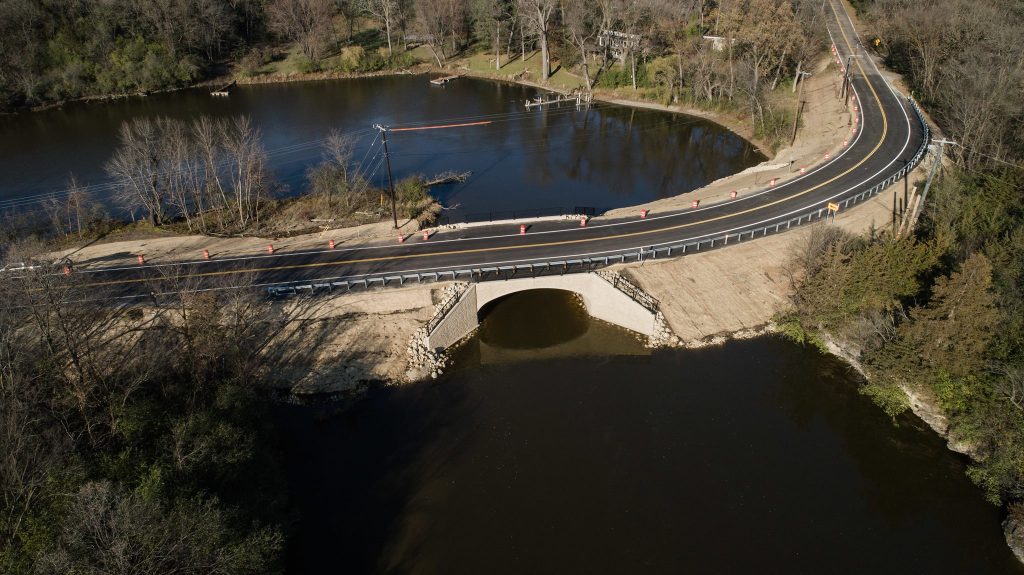


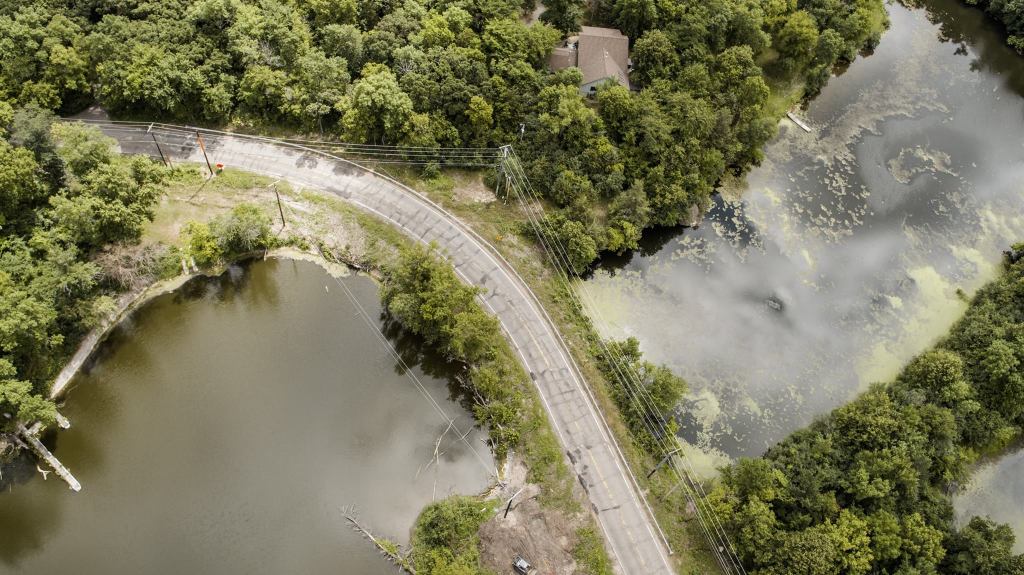
Moore is also proud of the watershed district’s partnership with Washington County to reconnect a backwater channel of the Mississippi River near Grey Cloud Township in 2017. The Grey Cloud Slough had been stagnant and full of algae since 1965, when debris clogged the culverts under County Road 75 during a historic flood. Fifty years later, South Washington Watershed District spearheaded the effort to replace the road (which essentially acted as a dam) with a bridge that allowed the river to flow free again.
“Greg Cloud was fantastic,” says Moore. “You never get to see water quality improve overnight, but on that project we did.”

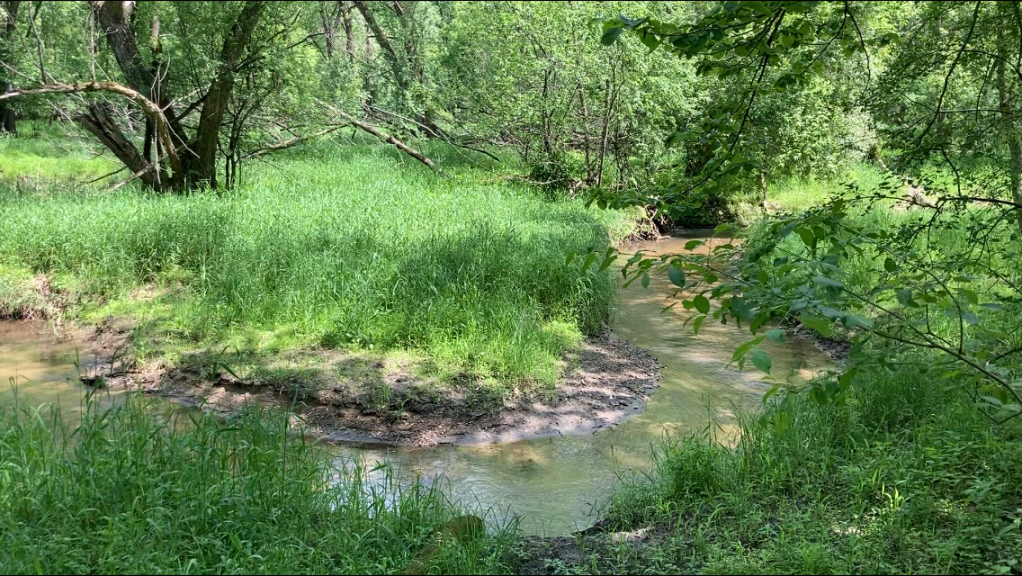
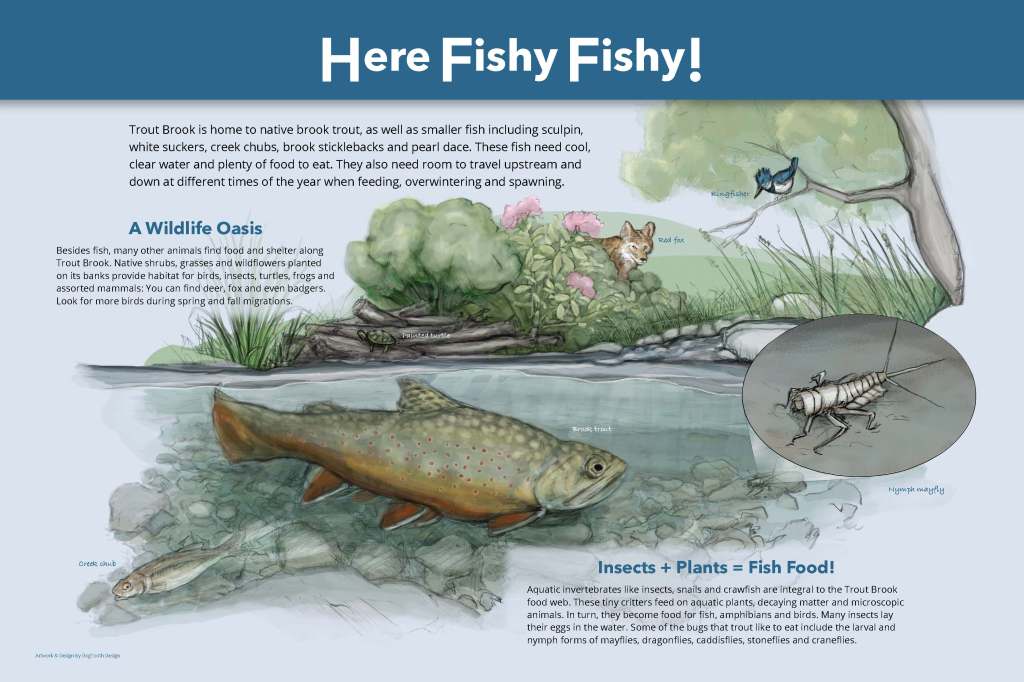
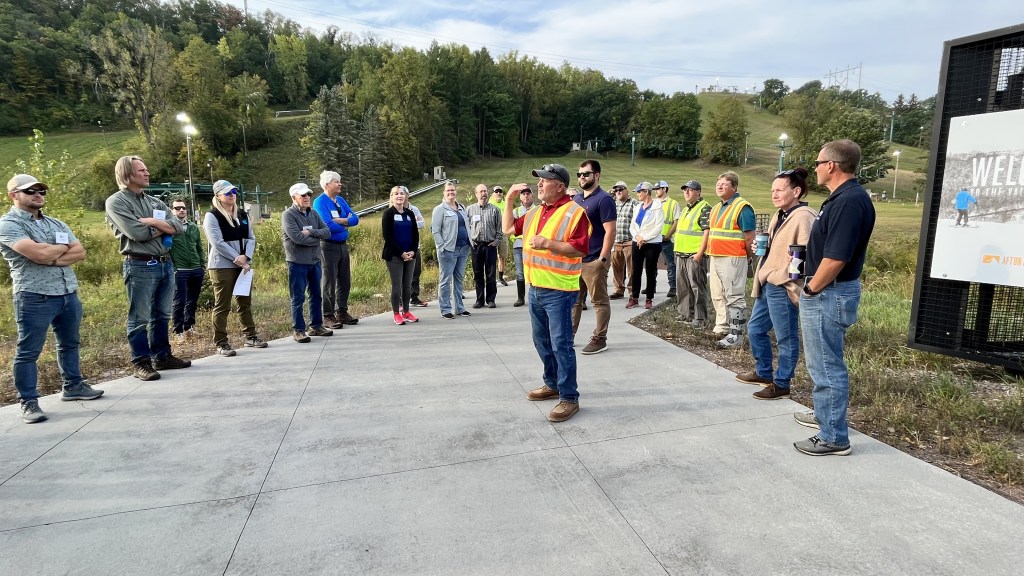
Other notable accomplishments under Moore’s leadership include bringing trout back to Afton’s Trout Brook, transforming the campuses at seven local schools to replace turf with native landscapes, constructing numerous large-scale stormwater treatment systems in Cottage Grove, Newport, and Woodbury, outfitting local cities with state-of-the-art equipment for enhanced street sweeping and SMART salting, and helping cities and private landowners to complete numerous small-scale clean water practices, ranging in size from boulevard raingardens to stabilized ravines.
“Matt is very straight forward and he doesn’t mince words. But, he gets stuff done,” laughs Johnson. “One of Matt’s favorite sayings is, ‘Watershed people don’t wear ties.’” Other colleagues note that if you’re looking for Moore, you’re more likely to find him in a hard hat at a construction site than schmoozing in a board room.
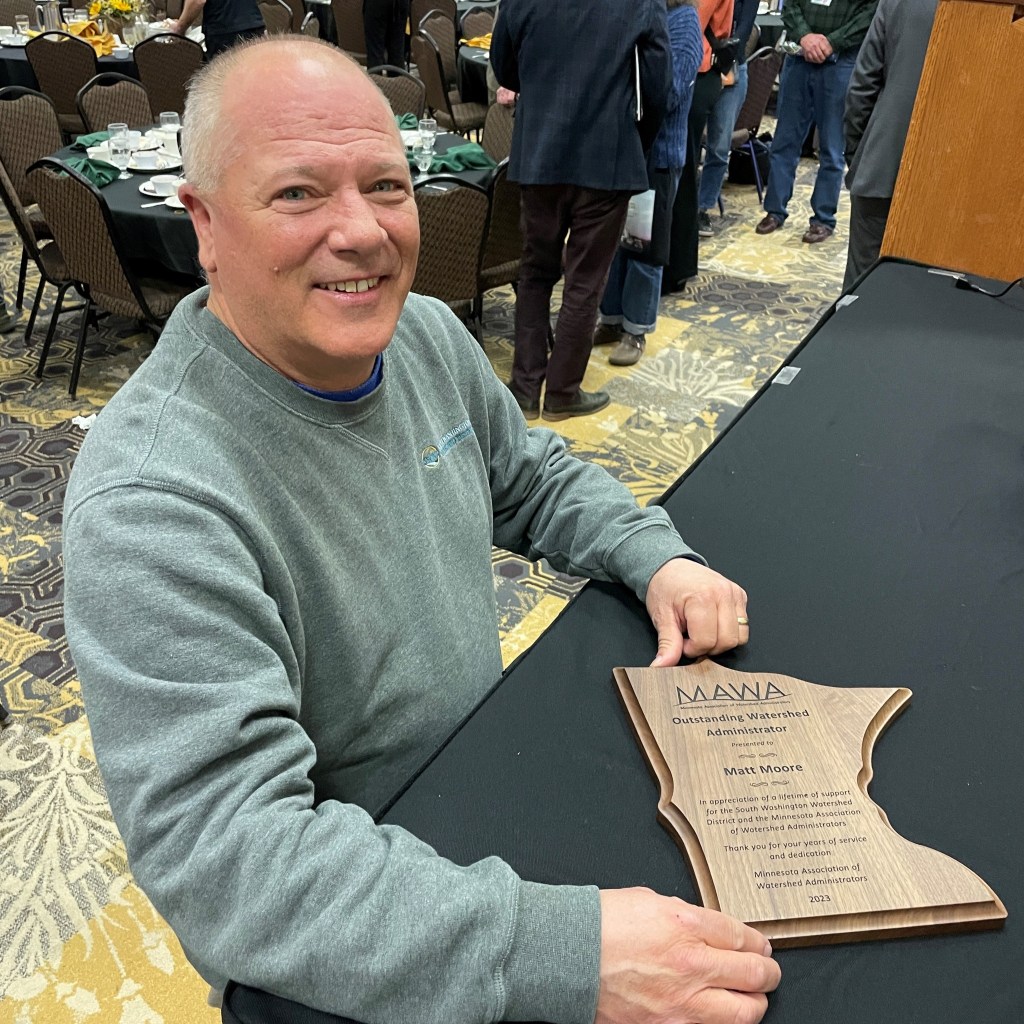
At this year’s Minnesota Watersheds annual conference, Matt Moore was recognized with an Outstanding Watershed Administrator award and the Trout Brook Restoration was selected as Minnesota Watershed Project of the Year. South Washington Watershed District also received recognition for 30 years of programming. When receiving the awards, Moore didn’t give a flowery speech and he definitely didn’t wear a tie.
“This has been my dream job for 25 years,” he says. “Now I’m looking forward to relaxing at the lake.”

 East Metro Water